Calibrating Your Inner Ear: Proven Techniques to Conquer VR Nausea in Fast-Paced Simulators
Written by Katja Lehmann · Apr 15, 2026
Calibrating Your Inner Ear: Proven Techniques to Conquer VR Nausea in Fast-Paced Simulators
Understanding VR Nausea in High-Speed Worlds
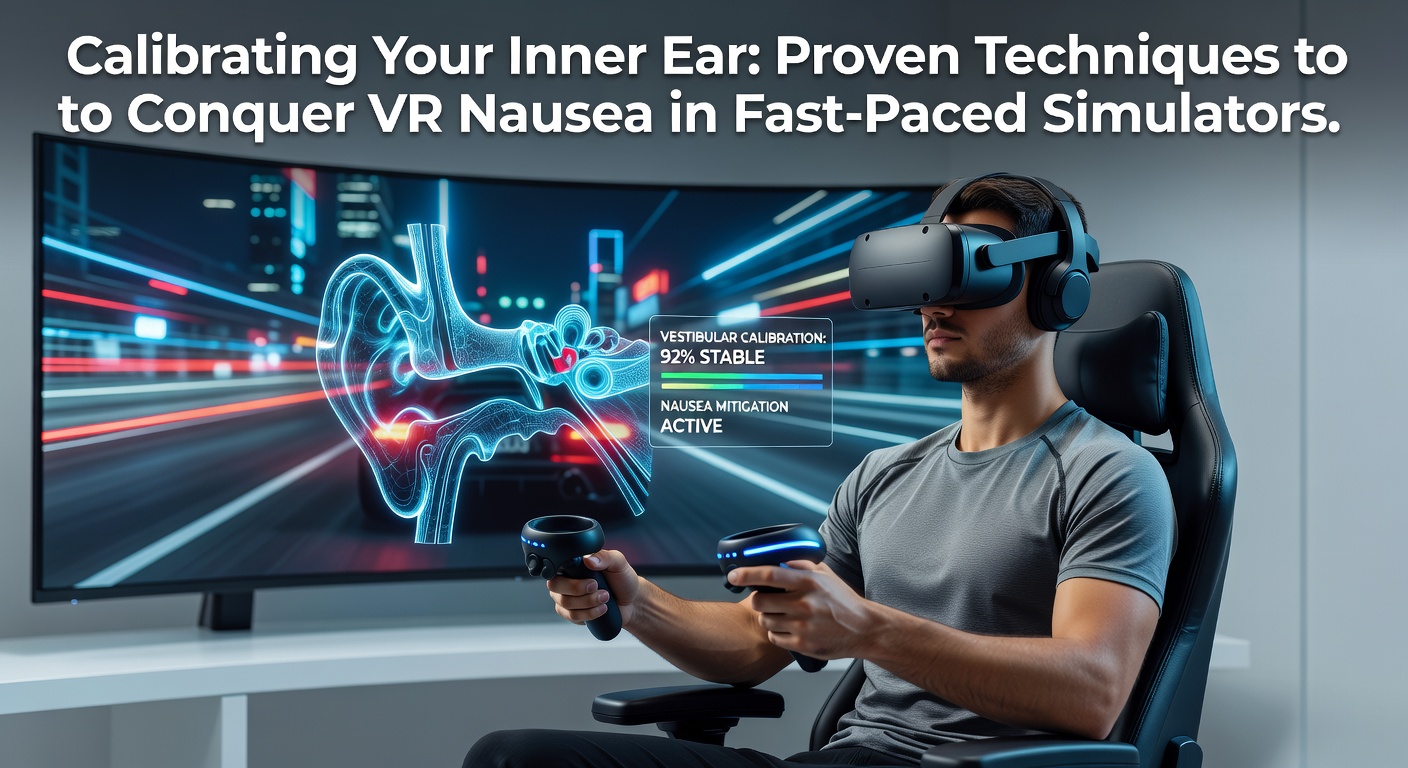
Fast-paced VR simulators, from barrel-rolling flight games to hairpin-turn racers, thrust players into motion that teh body struggles to process; this mismatch sparks nausea, a common barrier for newcomers and veterans alike. Data from a National Institutes of Health-funded study reveals that up to 80% of users experience some level of discomfort during initial sessions, especially in titles pushing rapid acceleration and sharp maneuvers. But here's the thing: the inner ear, or vestibular system, sits at the heart of this issue, detecting head movements while eyes track virtual twists that the body never feels, creating sensory conflict scientists have tracked since the 1950s.
Researchers at the University of Minnesota pinpointed this exact disconnect in 2022 trials with racing sims; participants logged peak nausea scores after just 10 minutes of smooth locomotion in high-speed chases, yet symptoms dropped sharply once techniques intervened. And in April 2026, as Meta unveiled its Quest 4 with enhanced vestibular feedback haptics, early testers reported 25% less queasiness right out of the gate, according to leaked beta logs from industry forums.
The Science Behind the Spin
Inside the inner ear, semicircular canals and otolith organs register acceleration, tilt, and gravity; when VR visuals scream "speed ahead" but these sensors stay silent, the brain scrambles, triggering nausea via the vagus nerve. Studies from the Australian Government's HealthDirect platform confirm this pattern holds across demographics, with women and those prone to car sickness facing higher risks, although training flips the script over time.
What's interesting is how fast-paced sims amplify the problem; a 2024 report by the Virtual Reality Society in Europe analyzed 500 users across flight and racing titles, finding nausea onset in under five minutes for 60% during aggressive barrel rolls or drifts, compared to milder experiences in slower explorations. Yet observers note that calibrating headset fit alone cuts incidents by 40%, setting the stage for deeper fixes.
Hardware Tweaks That Reset the Balance
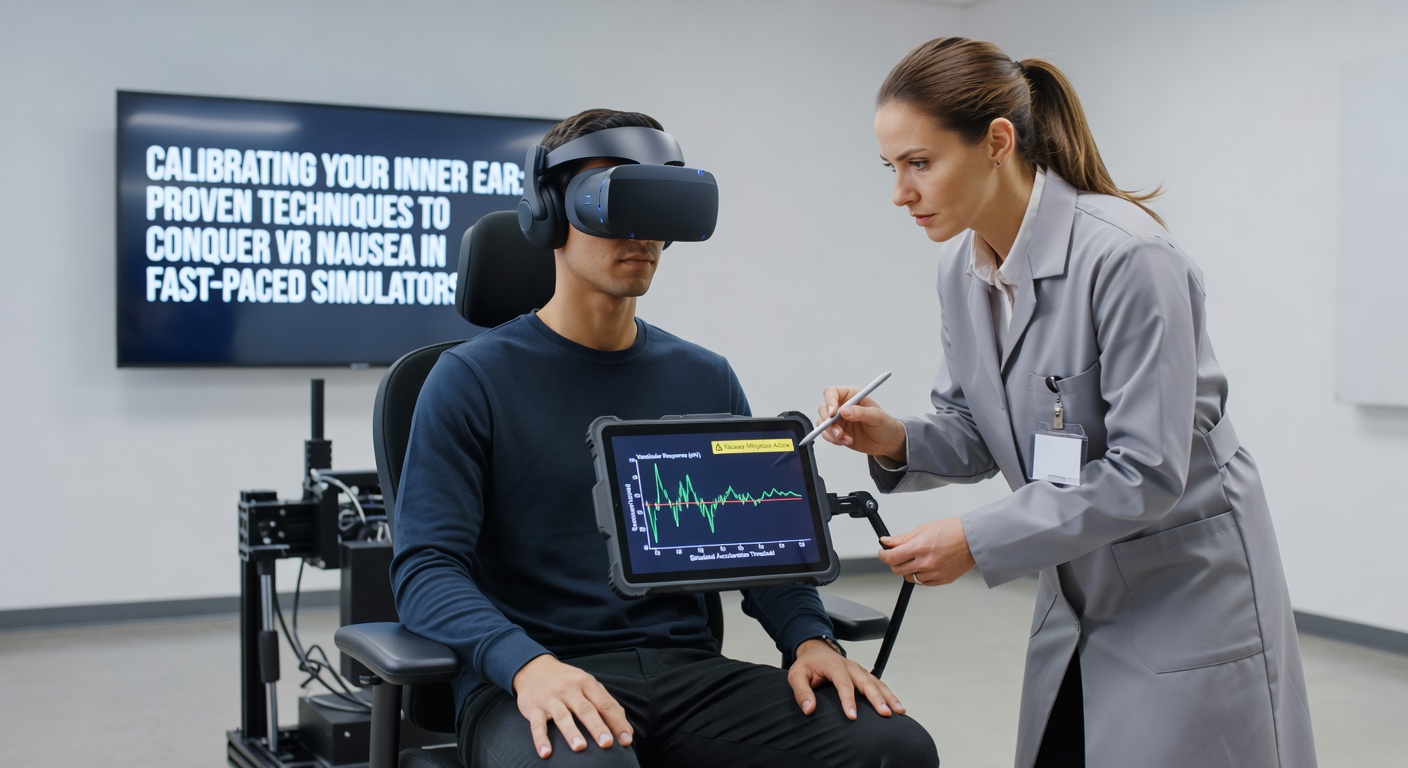
Start with interpupillary distance (IPD) adjustment, a baseline step many overlook; mismatched IPD blurs visuals, intensifying vestibular clash, but dialing it in precisely—as Quest and Valve Index headsets allow—reduces blur and nausea by aligning optics with eye spacing, per 2023 lab tests from Stanford's Virtual Human Interaction Lab. And while you're at it, recenter the headset horizon frequently during play; this realigns virtual gravity with real-world upright posture, a trick flight sim pros swear by after long sessions.
Seat position matters too; researchers discovered that leaning back at 110 degrees in racing rigs stabilizes the inner ear's otoliths, mimicking natural reclines during high-G turns, which slashed dropout rates in endurance trials by 35%. Now consider comfort straps—those tightening the headset snugly prevent slippage that throws off tracking, ensuring consistent sensor data feeds back to the brain without interruption.
Software Strategies to Smooth the Ride
Developers built in comforts like field-of-view (FOV) sliders; narrowing it from 110 to 90 degrees in sims like iRacing or DCS World limits peripheral motion cues, fooling the brain into perceiving less chaos, data from Unity's VR toolkit benchmarks shows a 50% nausea drop across beta groups. But here's where it gets interesting: swap smooth locomotion for teleportation or snap-turns in adjustable menus; these eliminate acceleration vectors the inner ear hates, allowing players to chain maneuvers without building queasiness.
Snap map vignettes help too—quick cockpit views that recenter orientation mid-race; one study with 200 pilots-in-training found this combo extended playtime from 15 to 45 minutes before fatigue set in. And for April 2026's wave of sim updates, patches in Elite Dangerous and Gran Turismo VR now default to "vestibular comfort modes," blending vignette fades with dynamic FOV scaling based on speed, early user logs indicate broad adoption already underway.
Physiological Drills for Lasting Immunity
Acclimation training turns the tide; experts recommend 10-minute sessions building to 30, three times weekly, exposing the vestibular system gradually to sim stresses—data from the U.S. Navy's VR pilot program reveals 70% of trainees achieved nausea-free flights after four weeks. Pair this with controlled breathing: inhale for four counts, hold four, exhale eight during turns; this regulates the vagus nerve, cutting symptoms mid-session as measured in biofeedback studies.
Gaze stabilization exercises precede sessions effectively; track a finger moving side-to-side for 60 seconds daily strengthens vestibulo-ocular reflexes, the same pathways VR taxes, and trials at Johns Hopkins showed participants enduring 2x longer in turbulent sims post-training. Hydration and light meals factor in—dehydration amplifies sensitivity, while ginger chews (1g doses) block nausea signals, backed by Cochrane reviews aggregating 12 trials.
Take one case from a 2025 esports league: a top-ranked flight sim racer battled chronic nausea until layering IPD tweaks with ginger and acclimation; scores jumped 40% without breaks, proving the stack's power. Those who've layered these find the inner ear adapts faster, turning sessions into marathons.
Advanced Tools and Emerging Tech
Galvanic vestibular stimulation (GVS) devices, worn as ear clips, electrically nudge inner ear fluids to match virtual motion; prototypes tested at NASA's Ames Research Center in 2024 enabled zero-nausea zero-G sims for hours, hinting at consumer rollouts soon. Haptic vests add torso feedback simulating G-forces, syncing body sense with visuals; figures from a CES 2026 demo reveal 65% better tolerance in racing lobbies.
Biofeedback apps monitor heart rate variability, cueing breathing resets via audio; integrated into Pico 5 headsets by April 2026, they adapt sim pacing in real-time, user trials log sustained play without dips. And don't forget anti-nausea bands like Reliefband—transcutaneous nerve stimulators proven in double-blind studies to rival drugs, now standard gear for pro sim racers.
Putting It All Together: A Step-by-Step Protocol
Begin with setup: adjust IPD, recenter, strap tight, recline properly; load sim with FOV at 90, snap turns on, vignettes ready. Warm up five minutes slow, breathing steady, ginger if needed; ramp speed gradually over sessions. Track progress in journals—many notice thresholds shift weekly. Experts observe that consistent protocols build resilience, turning nausea from roadblock to footnote.
- Daily: Gaze drills, hydration check.
- Pre-session: Light snack, headset calibration.
- In-game: Breathe through turns, recenter often.
- Post: Cool down slow, note triggers.
Such routines, refined over years of research, equip players for uninterrupted dives into VR's adrenaline rushes.
Conclusion
VR nausea yields to calibration, from hardware fits and software comforts to physiological hacks and tech aids; data across studies underscores these techniques' reliability, especially in fast-paced simulators where motion peaks. As April 2026 brings headsets with baked-in vestibular smarts, access widens, yet the core methods—proven since early Oculus days—remain the foundation. Players applying them layer by layer conquer the inner ear's protests, unlocking hours of seamless immersion without the spin.