Charting Route Efficiencies Using Minimap Overlays During Speedrun Attempts in Linear Action Adventures
Written by Mia Powell · Jul 11, 2026
Charting Route Efficiencies Using Minimap Overlays During Speedrun Attempts in Linear Action Adventures
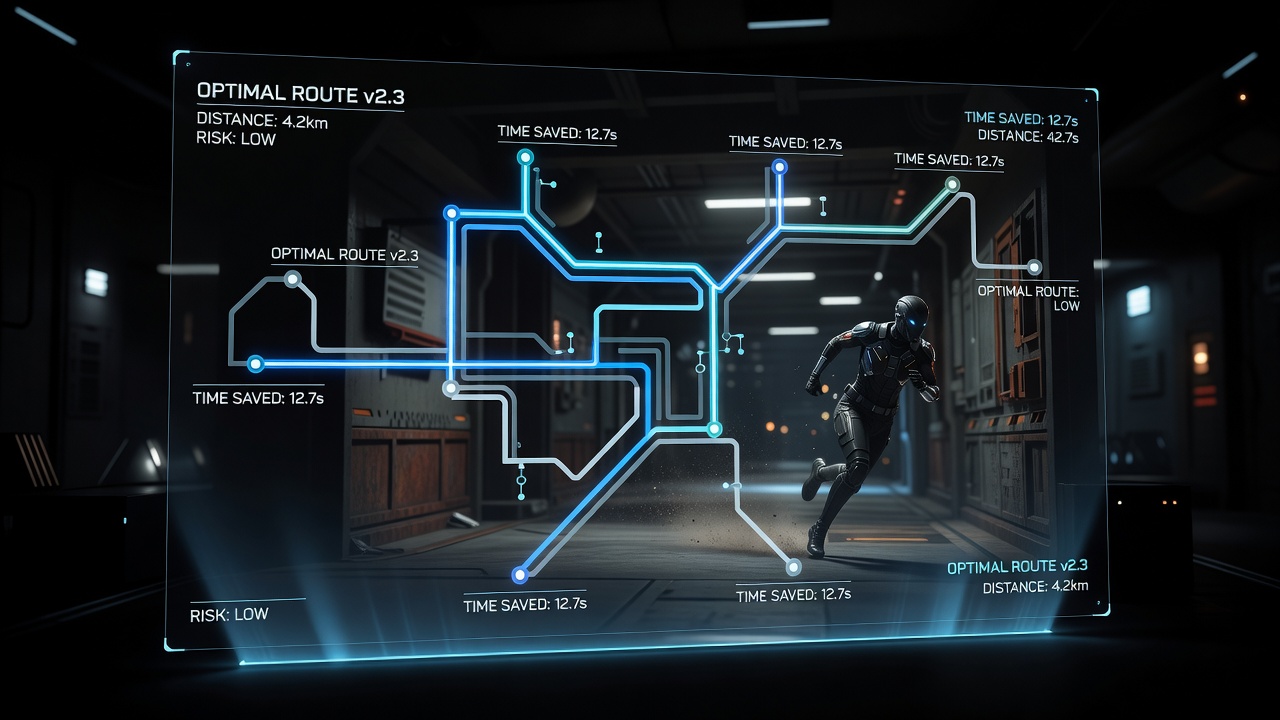
Speedrunners tackling linear action adventures rely on minimap overlays to map precise movement sequences, identify optimal path deviations, and reduce overall completion times through visual data layers that highlight terrain features, enemy placements, and collectible positions, while studies from gaming technology researchers show these tools integrate with existing game engines to provide real-time feedback without altering core mechanics.
Core Mechanics of Minimap Overlay Integration
Linear action adventures feature constrained level designs that guide players along sequential objectives, yet speedrunners exploit small margins for improvement by layering external minimap data over the in-game display, and observers note that these overlays often pull from memory addresses or community-generated databases to mark invisible boundaries and trigger points that standard minimaps omit. Practitioners adjust overlay transparency and color coding to distinguish between primary routes and experimental shortcuts, which allows simultaneous tracking of multiple variables such as frame-perfect jumps and item collection windows during a single attempt.
Route Analysis Techniques and Data Layering
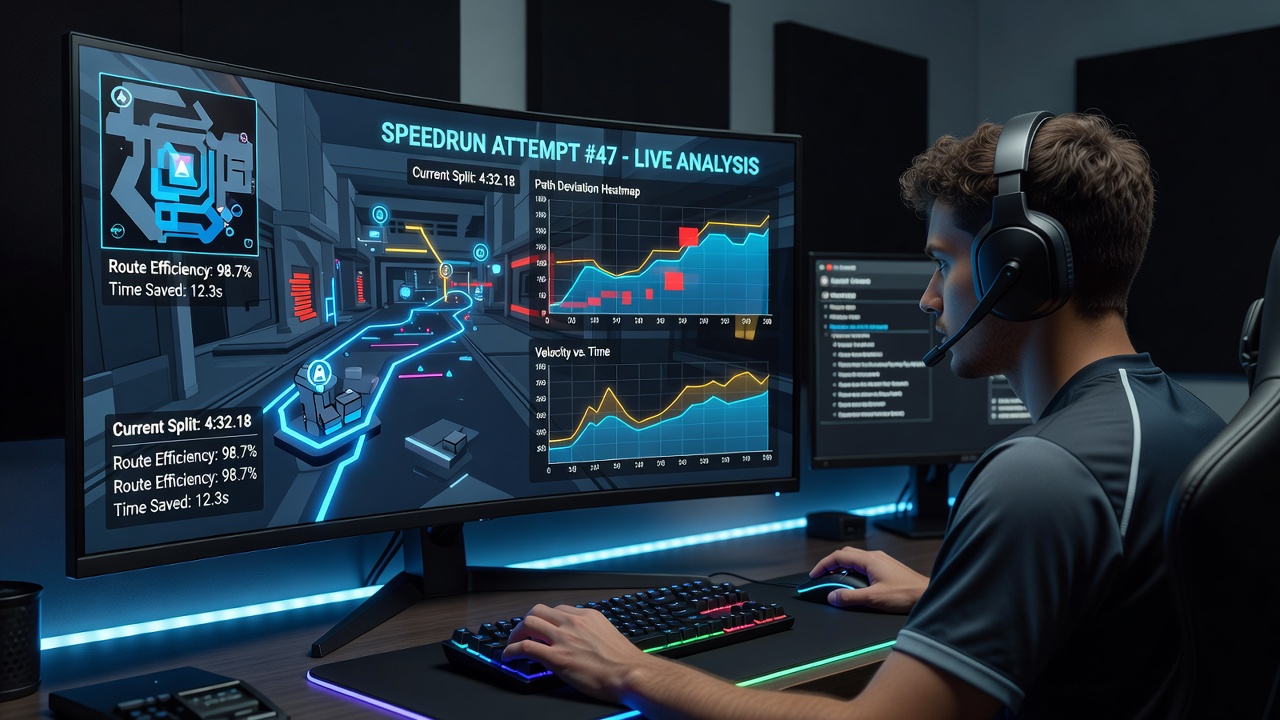
Analysis begins with recording multiple playthroughs to capture raw coordinate data, after which overlay software processes teh information into heatmaps that reveal high-efficiency corridors and dead zones where time losses accumulate, while figures from community archives indicate average time savings of several seconds per segment when routes receive iterative refinement. Tools synchronize minimap elements with timer software so that route deviations trigger automatic annotations, and this setup enables runners to compare current attempts against personal bests without pausing gameplay flow.
Implementation in Popular Titles
Games with fixed camera perspectives and predictable enemy patrol cycles benefit particularly from these overlays because runners can pre-chart evasion arcs that align with minimap markers, and examples include titles where hidden elevation changes or destructible barriers become visible through custom data points added by the community. In July 2026 several speedrun events showcased updated overlay versions that incorporated machine learning suggestions for path adjustments based on aggregated run data from thousands of attempts, which further streamlined the process of testing new routes across different hardware configurations.
Performance Metrics and Community Documentation
Quantitative tracking relies on split times recorded at key overlay waypoints, and data compiled across platforms demonstrates consistent reductions in total run duration when overlays incorporate environmental audio cues or particle effect timings alongside visual markers. Entertainment Software Association reports on gaming technology adoption note increased use of such assistive visualization tools among competitive communities, while industry analyses from the Interactive Games and Mobile Association of Australia highlight similar trends in regions where local developer support encourages custom tool development for legacy titles.
Observers document that runners often maintain separate overlay profiles for different difficulty modes or version patches, and these profiles adjust marker density to avoid visual clutter during high-speed segments where reaction windows shrink to milliseconds. Cross-referencing overlay data with frame-by-frame video analysis confirms which route choices produce measurable gains, and this verification step prevents reliance on anecdotal improvements alone.
Technical Considerations for Overlay Stability
Hardware setups require sufficient processing headroom to render overlays at consistent frame rates matching the source game, and synchronization protocols ensure that minimap elements update without introducing input lag or desync issues that could invalidate attempts. Community forums detail troubleshooting steps for common conflicts between overlay software and anti-cheat systems, while maintaining compatibility across console emulators and native PC releases remains a shared priority among developers of these tools.
Conclusion
Minimap overlays continue to evolve as speedrunners refine their application in linear action adventures through systematic data collection and iterative route testing, with ongoing community contributions expanding available marker sets and analytical features. Integration of these visual aids supports precise execution of optimized paths while preserving the integrity of timed attempts across diverse game libraries.