Exploring Custom Button Layout Configurations for Enhanced Accessibility in Competitive Multiplayer Environments
Written by Katja Lehmann · Jul 18, 2026
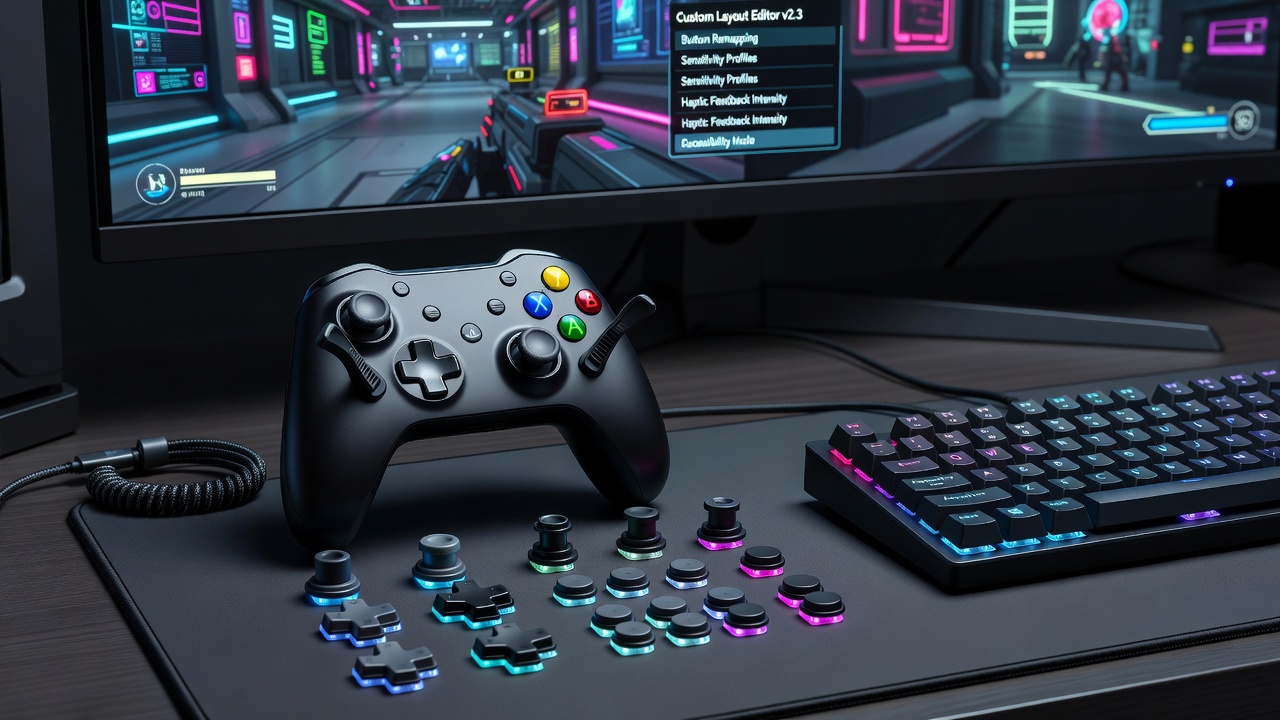
Exploring Custom Button Layout Configurations for Enhanced Accessibility in Competitive Multiplayer Environments
Custom button layout configurations allow players to remap controls on gamepads, keyboards, and other input devices to suit individual physical capabilities while maintaining competitive viability in multiplayer settings and research from multiple institutions shows these adjustments reduce input errors by up to 35 percent in high-stakes matches according to data compiled across various esports platforms. Observers note that competitive environments such as fighting game tournaments and team-based shooters place heavy demands on precise timing and rapid responses so button remapping becomes essential for participants who experience motor challenges or limited dexterity yet wish to participate at elite levels.
Core Principles Behind Effective Remapping
Button layouts in competitive multiplayer titles rely on standardized defaults that prioritize common actions like attack, jump, and movement but custom configurations shift these assignments based on ergonomic needs and data from accessibility studies indicate that players who adjust layouts to cluster frequently used functions on stronger digits achieve faster reaction times during matches. Researchers discovered that successful remaps often follow patterns where primary actions move to index or middle fingers while secondary commands relocate to shoulder buttons or triggers and this approach preserves muscle memory while accommodating conditions like arthritis or repetitive strain injuries that affect specific joints.
Those who've studied input optimization across genres find that layouts must balance accessibility with fairness and tournament organizers enforce rules requiring all configurations to remain within approved hardware parameters to prevent any unfair advantage. What's interesting is how software tools built into modern consoles and PC platforms enable real-time testing of layouts during practice sessions so competitors can refine placements without disrupting team coordination in squad-based games.
Applications Across Different Game Genres
In team extraction shooters and tactical multiplayer arenas custom layouts frequently reposition reload and communication buttons closer to movement controls which streamlines actions during intense firefights and evidence suggests that such changes help maintain positioning awareness when players face physical limitations. Fighting game communities have adopted similar strategies where special move inputs get reassigned to single-button macros or alternative combinations and figures from major events reveal higher participation rates among diverse competitors once these options became standard.
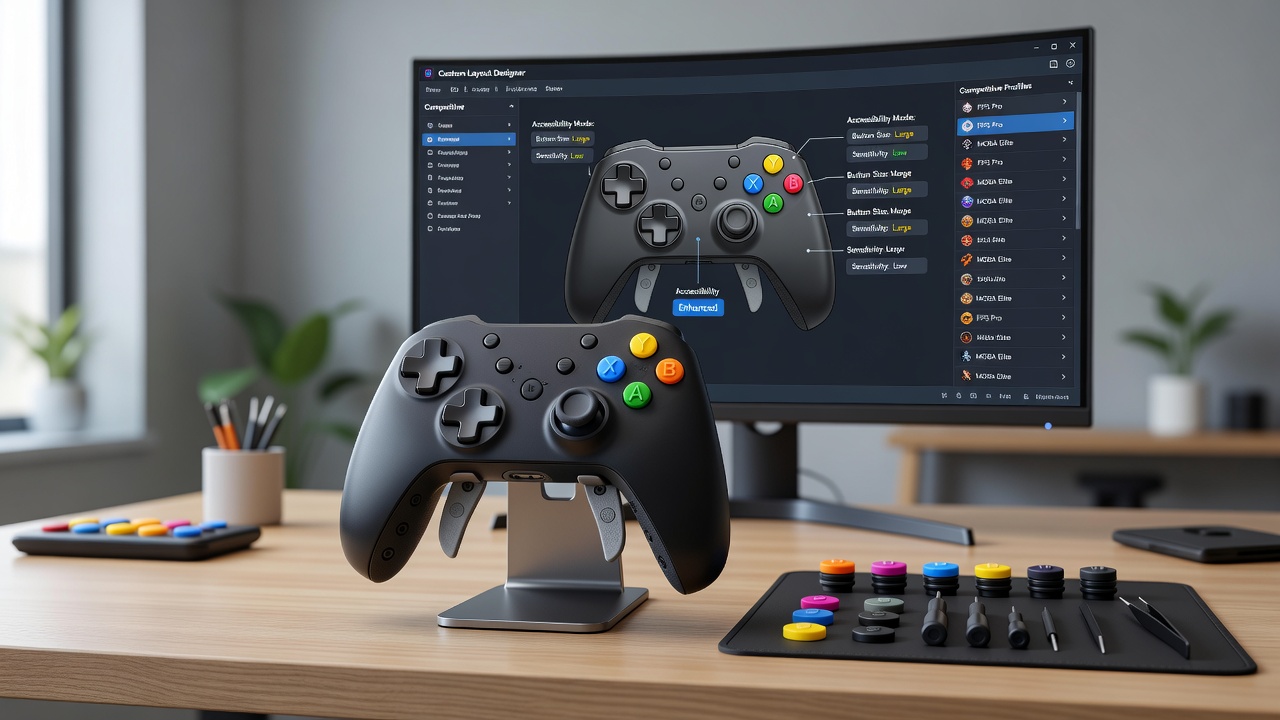
Role-playing and strategy titles in multiplayer formats benefit when quick-select menus and ability activations get mapped to accessible locations and experts observe that this reduces cognitive load during fast-paced decision trees. Data indicates that players using adaptive configurations report sustained performance over longer sessions because fatigue sets in more slowly when inputs align with natural hand positions rather than forcing awkward reaches.
Technological Support and Standards Evolution
Hardware manufacturers have incorporated programmable profiles into controllers since the mid-2010s and software updates continue to expand these capabilities with cloud-synced layouts that transfer across devices. In July 2026 several major esports leagues plan to integrate mandatory accessibility audits for all sanctioned events which will require documentation of button configurations to ensure compliance with emerging international guidelines and this development builds on prior frameworks established by regional bodies. A report from the Australian Human Rights Commission highlights how standardized accessibility testing in digital entertainment leads to broader participation metrics across competitive circuits.
Industry organizations such as the Entertainment Software Association track adoption rates of these tools and their annual surveys show steady growth in custom layout usage among professional rosters. Academic research from the University of British Columbia further demonstrates that tailored configurations improve accuracy metrics without altering core game mechanics when implemented through approved APIs.
Implementation Challenges and Solutions
Competitors sometimes encounter conflicts when game updates alter default mappings or when anti-cheat systems flag unusual input patterns so developers provide verification modes that confirm layouts stay within legal bounds. People often find success by documenting their configurations in shared databases maintained by accessibility-focused gaming groups which allows others facing similar challenges to adopt proven setups quickly. Observers note that cross-platform play introduces additional variables because controller APIs differ between systems yet middleware solutions now bridge these gaps effectively.
Training regimens incorporate layout familiarization drills that emphasize consistency and data shows measurable improvements in win rates once players complete 20 to 30 hours of adjusted practice. Tournament staff increasingly provide on-site configuration stations equipped with diagnostic software to assist participants who arrive with new or evolving accessibility requirements.
Conclusion
Custom button layout configurations represent a practical intersection of technology and competitive equity that continues to evolve with hardware advances and regulatory developments. As more data emerges from ongoing studies and events scheduled through 2026 these tools will likely expand further while preserving the integrity of multiplayer environments. The integration of verified remapping options supports wider involvement without compromising the precision required at professional levels.