Threading Pixel Echoes: Mapping Glitch Artifacts into Custom Quest Markers for Indie Adventure Campaigns
Written by Quinn Beck · May 18, 2026
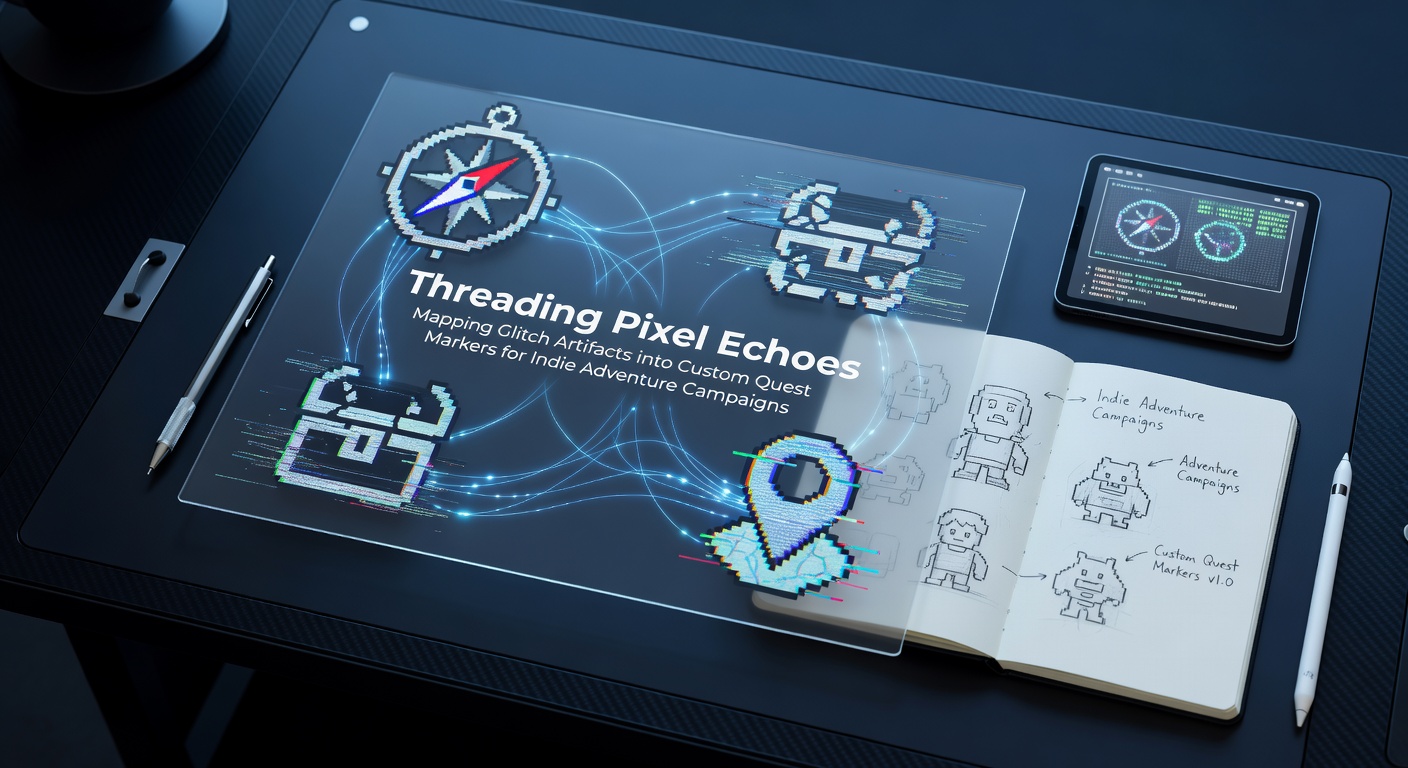
Threading Pixel Echoes: Mapping Glitch Artifacts into Custom Quest Markers for Indie Adventure Campaigns
Developers in the indie adventure space have long experimented with visual anomalies that arise during rendering processes, and recent practices show these so-called pixel echoes getting repurposed as structured quest markers that guide players through branching narratives without relying on conventional UI overlays. Teams extract irregular pixel patterns from engine hiccups, then thread them into level geometry so they function as organic signposts while maintaining the game's atmospheric integrity.
Core Concepts Behind Pixel Echo Mapping
Pixel echoes typically emerge when sprite layers misalign during asset loading cycles or when compression artifacts interact with custom shaders, yet programmers capture these fragments at the code level and assign metadata tags that trigger dialogue prompts or inventory updates once a player approaches within a defined radius. Researchers at various studios document how such mappings reduce visual clutter in tight screen spaces common to retro-inspired titles, since the markers blend into existing textures rather than floating as separate icons. Data from industry reports indicates that studios adopting this method report smoother player navigation in exploration-heavy sequences because the echoes inherit lighting and perspective rules from the surrounding environment.
Implementation Steps Observed Across Projects
One common workflow starts with logging specific frame buffer discrepancies during playtests, after which artists isolate repeatable glitch coordinates and feed them into a custom editor plugin that converts the coordinates into pathfinding nodes. Programmers then link these nodes to quest flags stored in JSON files, allowing the same echo to evolve across multiple campaign acts while preserving its visual signature. Studios have noted that this approach works particularly well in games built with engines like Godot or Unity when developers disable certain anti-aliasing passes temporarily to encourage controlled artifact generation.
Technical Tools and Integration Patterns
Scripting languages handle the threading process by sampling pixel values at runtime and comparing them against a preloaded echo database, which means quest progression can activate when a threshold of matching pixels appears in the player's viewport. External frameworks from research institutions help standardize these comparisons across different hardware configurations, and one such collaboration with Canadian game technology labs produced open documentation on echo calibration routines that indie teams have adapted for free. What's interesting is how these routines account for variable refresh rates, since mismatched frame pacing can shift echo positions and break marker reliability if left unaddressed.
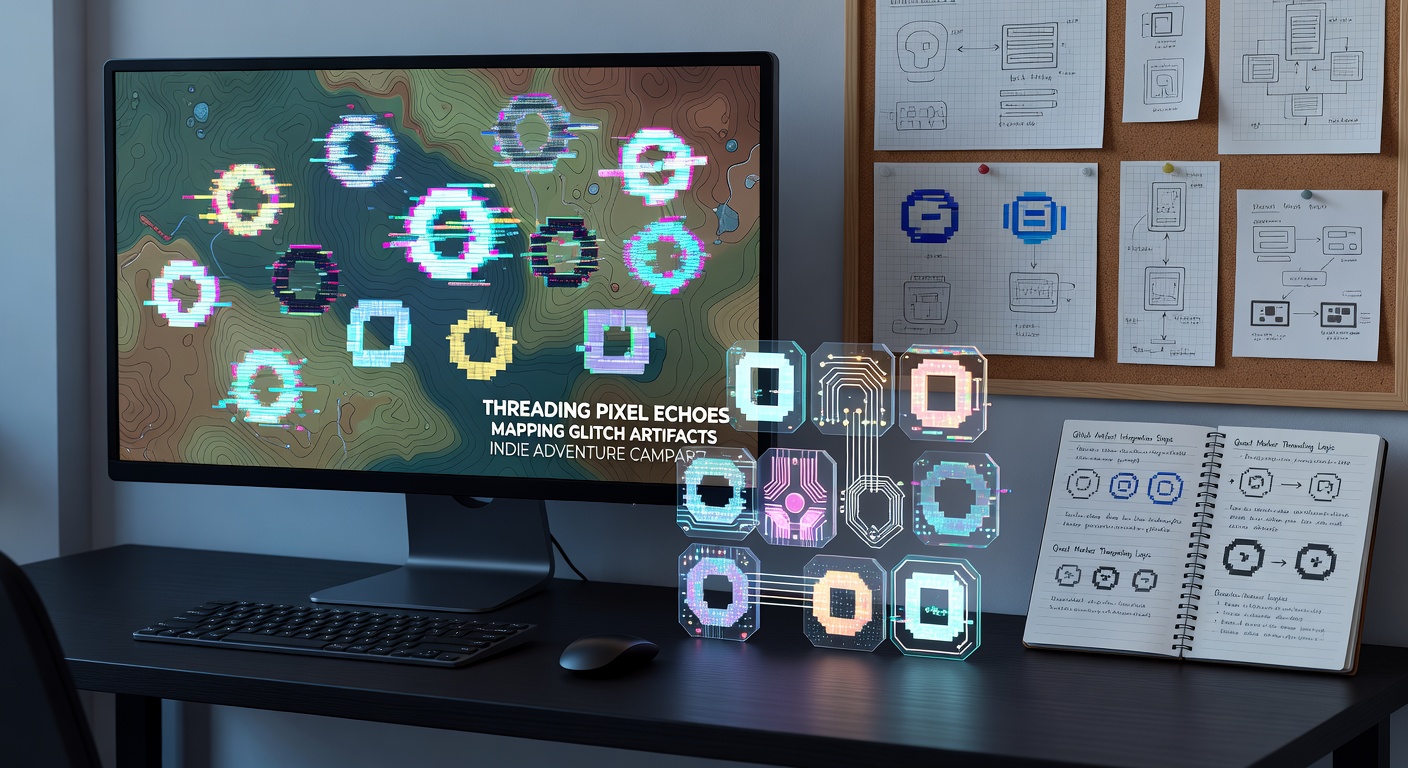
But here's the thing: integration often requires careful balancing of render layers so the echoes remain visible only under specific camera angles or lighting conditions, preventing accidental discovery that could shortcut intended narrative pacing. Teams achieve this by nesting echo triggers inside conditional statements that reference player progress variables, which keeps the system modular and easy to tweak during late-stage balancing passes.
Case Examples from Recent Indie Releases
Take one studio that released a pixel-art exploration title in late 2025, where echoes from tilemap scrolling errors became hidden markers leading to optional side stories about lost digital memories. Players who noticed subtle color shifts in certain corridors discovered alternate endings, and post-release analytics showed higher completion rates for those hidden threads compared to traditional map-based hints. Another project from an Australian collective used similar techniques to mark environmental storytelling beats, mapping residual sprite tearing into indicators for collectible lore fragments that advanced the central mystery when assembled in sequence.
Figures reveal that participation in this style of marker design increased notably ahead of the May 2026 Indie Horizons Summit, where sessions focused on artifact repurposing drew developers from multiple regions seeking to refine their own implementations. Attendees shared code snippets demonstrating how echo databases scale with larger world maps without introducing performance bottlenecks, and several teams left the event with plans to incorporate the methods into upcoming campaigns scheduled for 2027 releases.
Challenges and Observed Solutions
Observers note that maintaining consistency across different display technologies presents ongoing hurdles, because high-DPI screens can smooth out the very artifacts developers intend to preserve. Solutions include optional rendering toggles that force lower internal resolutions during key sequences, along with fallback systems that substitute vector approximations when echoes fail to register on certain hardware. Industry organizations such as the International Game Developers Association have published guidelines that address these compatibility issues through recommended testing matrices, helping smaller teams avoid common pitfalls during certification processes.
Yet the method continues to gain traction because it aligns with the resource constraints typical of indie productions, where every visual element must serve multiple purposes to justify development time. Those who've studied adoption patterns point out that campaigns utilizing echo markers often achieve distinctive aesthetics that differentiate them from titles relying solely on polished iconography.
Conclusion
Mapping glitch artifacts into quest markers represents a practical evolution in how indie adventure games communicate objectives while preserving artistic coherence. Developers continue to refine the underlying techniques through shared repositories and conference discussions, and the approach shows promise for future titles that emphasize discovery and environmental storytelling. As engines evolve and more teams experiment with controlled rendering anomalies, the practice is likely to expand into additional genres seeking efficient ways to embed guidance directly into their visual fabric.